
The hidden motivations behind gambling behavior Understanding the psychology at play
The hidden motivations behind gambling behavior Understanding the psychology at play
The allure of risk and reward
The thrill of gambling often hinges on the balance between risk and reward. This dynamic appeals to the human brain’s innate desire for excitement and potential gain. When individuals place bets, they experience an adrenaline rush that can lead to heightened emotions. This rush can be addictive, making the prospect of winning all the more appealing, often overshadowing the risks involved. Many are drawn to the excitement of bitcoin gambling sites, where the stakes can feel especially exhilarating.
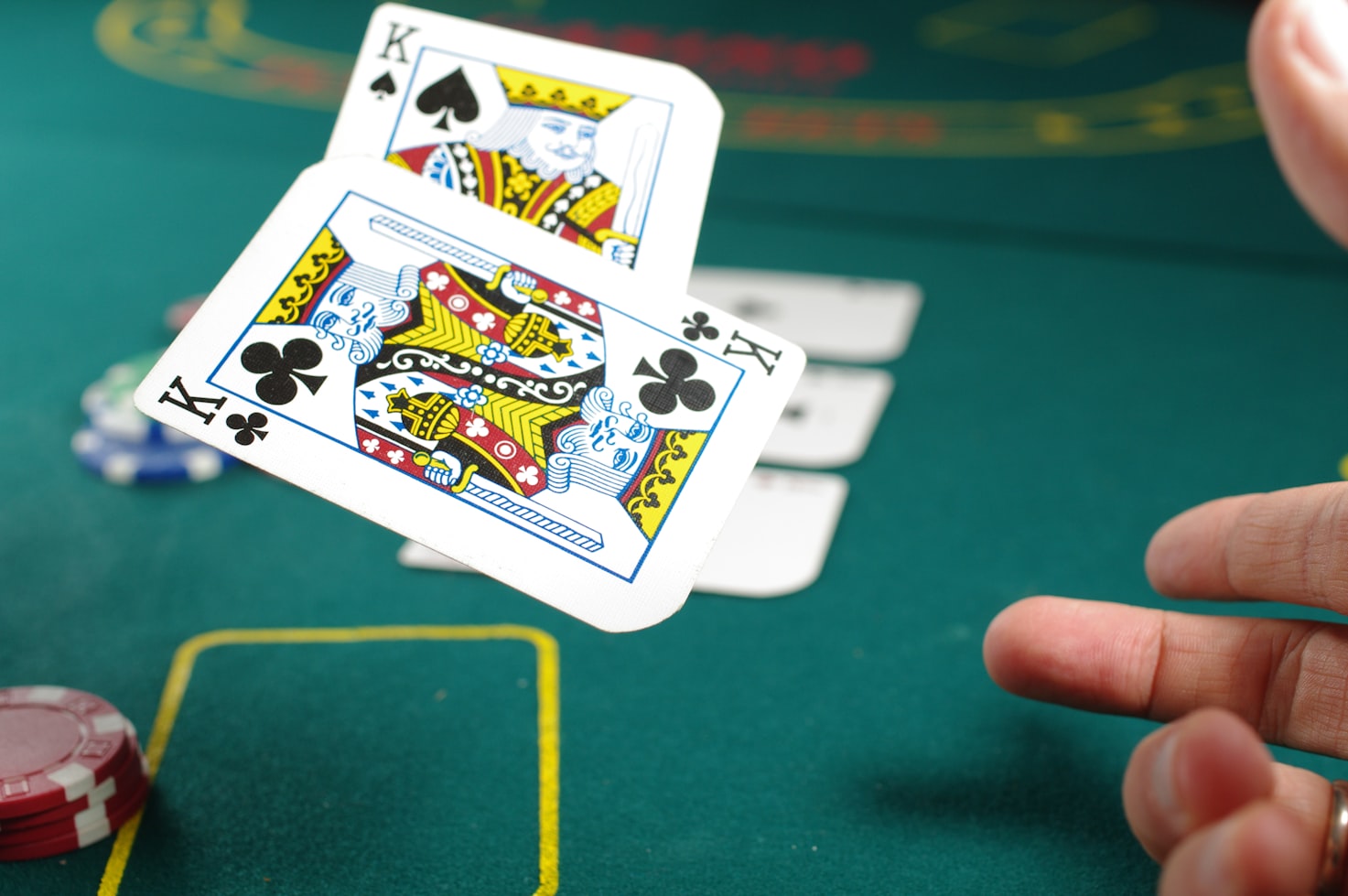
Moreover, the notion of winning a significant amount of money with a small investment can trigger a psychological response that encourages repeated gambling. Many people find themselves captivated by the idea of turning a small stake into a life-changing sum. This allure can create a cycle where the anticipation of winning becomes more pleasurable than the actual experience of playing.
The role of social influence
Social environments play a critical role in shaping gambling behavior. Many individuals begin gambling due to social pressure or the influence of friends and family. In settings where gambling is normalized, such as parties or community events, individuals may feel compelled to participate to fit in or avoid missing out on shared experiences.
Additionally, the social aspect of gambling can create a sense of camaraderie among players. Engaging in gambling activities with friends can enhance enjoyment, reinforcing the behavior as a social norm. This collective experience may further obscure the potential negative consequences of gambling, making it difficult for individuals to recognize the need for moderation.
Myths and misconceptions surrounding gambling
Numerous myths and misconceptions surround gambling behavior, leading many to underestimate the psychological factors at play. One common belief is that gambling is purely a game of chance, disregarding the strategic elements that can influence outcomes. This misconception can lead individuals to engage more impulsively, believing they can easily turn their luck around with little understanding of probability.
Another prevalent myth is the idea that gambling can be a reliable source of income. Many people assume they can consistently win, often ignoring the statistical realities that favor the house. This belief can distort their perceptions and lead to risky behavior, as they chase losses or continue gambling in hopes of recouping their money.
The impact of emotional and psychological factors
Emotional states significantly influence gambling behavior. Many individuals use gambling as a coping mechanism to escape stress, anxiety, or depression. The temporary distraction gambling provides can lead to increased engagement, as it offers a brief respite from reality. However, this can ultimately create a cycle of dependency where individuals turn to gambling more frequently in times of emotional distress.
Additionally, cognitive biases, such as the illusion of control, can further complicate decision-making in gambling. Players may believe they have a greater influence over outcomes than they actually do, leading to an increased likelihood of repeated gambling. Recognizing these psychological patterns is essential in understanding the motivations behind gambling behavior.

Empowering informed gambling choices
Understanding the psychology behind gambling behavior is essential for promoting responsible gaming practices. By recognizing the various motivations that drive individuals to gamble, stakeholders can develop targeted strategies to encourage safer behaviors. Education and awareness are key in helping individuals identify their motivations and make informed decisions about their gambling habits.
Resources and support systems can play a crucial role in guiding individuals toward healthier gambling practices. By fostering an environment where individuals feel comfortable discussing their gambling experiences, it becomes easier to address misconceptions and promote responsible behavior, ultimately leading to a more sustainable approach to gambling.

Leave a Reply